Share with a co-worker
All Resources
Use case


The Challenge
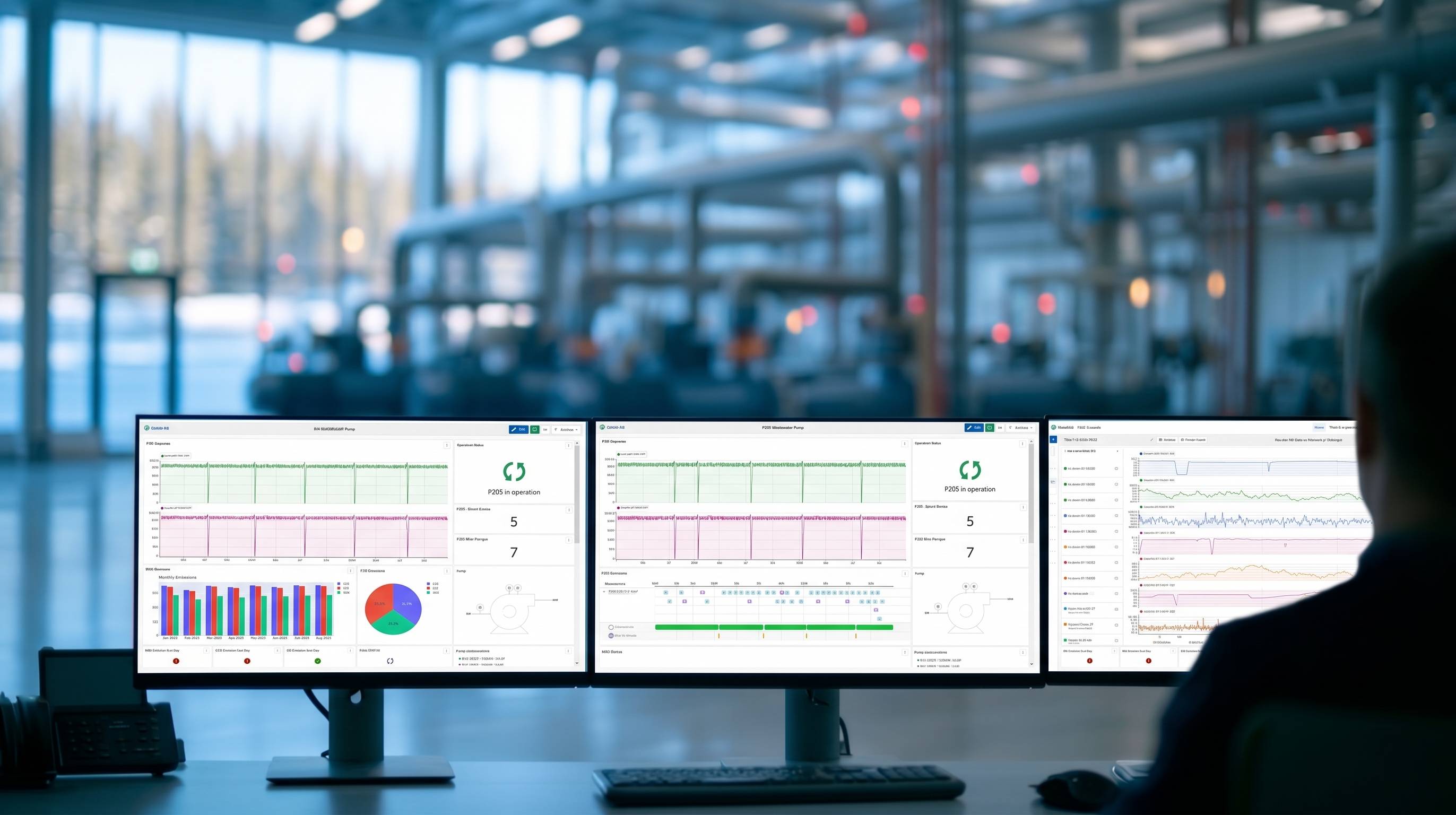
In steam-intensive plants, maintaining balance across low, medium, and high pressure steam networks is critical for stable and efficient operation. Even small imbalances can signal hidden problems such as leaks, measurement errors, abnormal consumption, or distribution inefficiencies.
Engineers needed a reliable way to detect when the steam system was out of balance and determine whether too much or too little steam was entering the process. However, no standardized calculation existed to quantify the true steam balance across the network, making root cause analysis difficult and delaying corrective actions.
Without a consistent method to monitor balance deviations, anomalies could lead to excessive energy usage, increased production costs, and unnecessary emissions.
The Approach
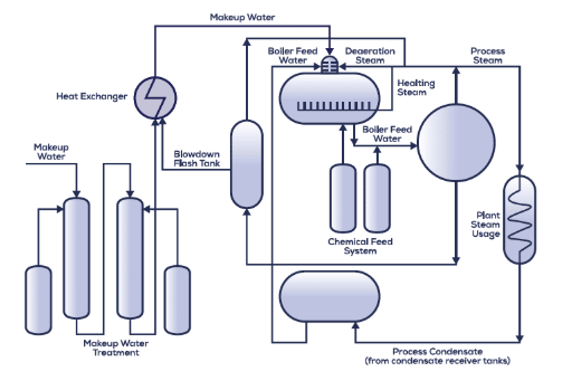
Engineers implemented a structured monitoring methodology based on real-time balance calculations and automated deviation detection:
- A custom steam balance calculation was created in the analytics platform as: Steam provided − Steam consumed, where the optimal result equals zero
- The calculated tag was aggregated over defined intervals, such as 24-hour windows, to evaluate consumption behavior
- Threshold logic classified deviations to determine whether steam delivery was excessive or insufficient
- Continuous monitoring was configured to track balance values and automatically flag abnormal conditions
- Analytical comparison allowed engineers to distinguish between process-driven deviations and measurement issues
This approach transformed steam balance from a theoretical concept into a continuously monitored operational KPI, enabling faster diagnostics and systematic anomaly detection.
The Results
The Takeaway
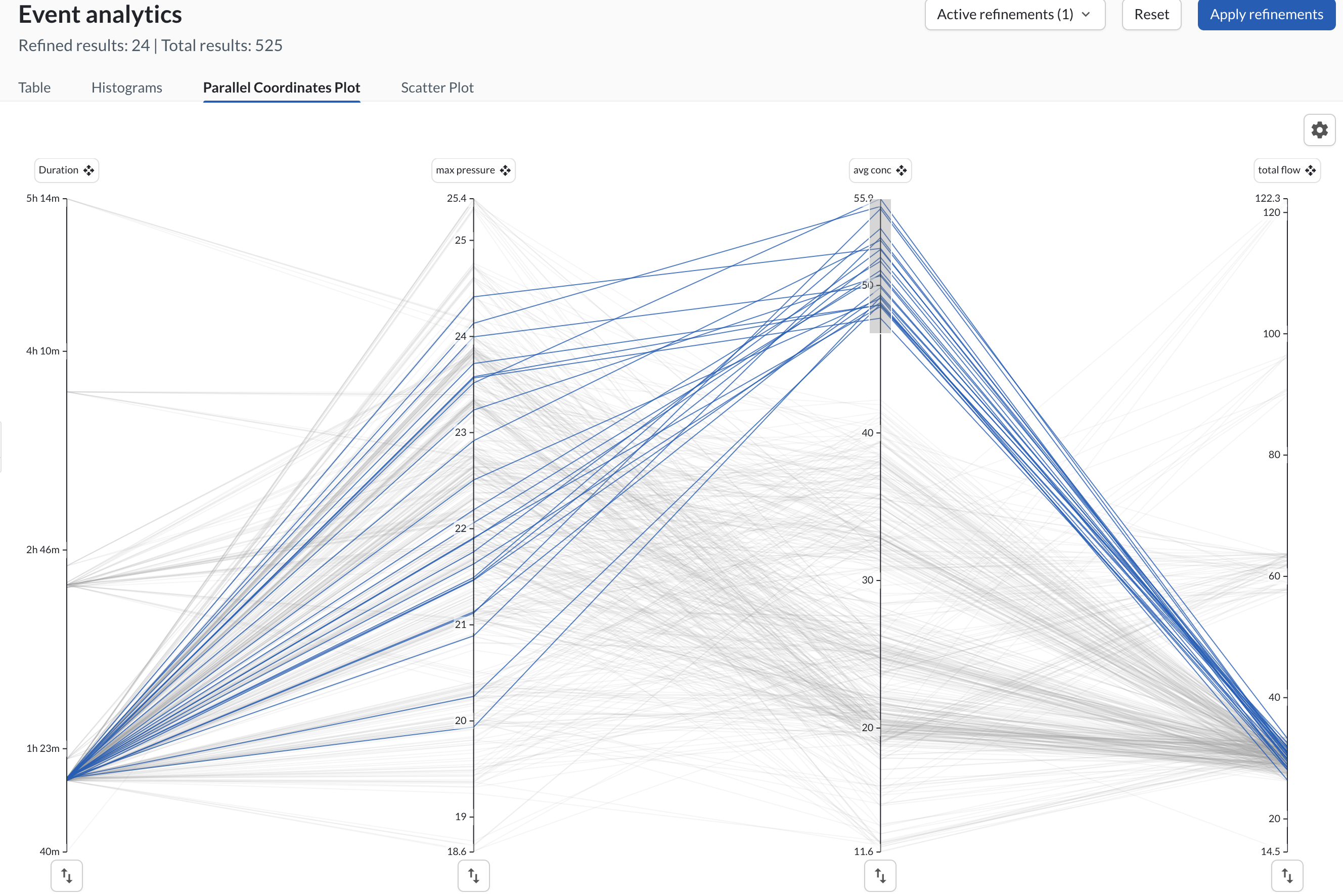
This implementation provided a practical framework for monitoring steam network performance in real time. By turning balance calculations into a live operational indicator, engineers gained immediate insight into inefficiencies and anomalies that previously remained hidden.
The solution enables proactive detection of abnormal consumption, reduces energy costs, and supports emissions optimization. Additionally, improved control of steam production can lower regulatory burden by reducing required CO₂ certificates, delivering both operational and financial benefits.
The Challenge
In steam-intensive plants, maintaining balance across low, medium, and high pressure steam networks is critical for stable and efficient operation. Even small imbalances can signal hidden problems such as leaks, measurement errors, abnormal consumption, or distribution inefficiencies.
Engineers needed a reliable way to detect when the steam system was out of balance and determine whether too much or too little steam was entering the process. However, no standardized calculation existed to quantify the true steam balance across the network, making root cause analysis difficult and delaying corrective actions.
Without a consistent method to monitor balance deviations, anomalies could lead to excessive energy usage, increased production costs, and unnecessary emissions.
The Approach
Engineers implemented a structured monitoring methodology based on real-time balance calculations and automated deviation detection:
- A custom steam balance calculation was created in the analytics platform as: Steam provided − Steam consumed, where the optimal result equals zero
- The calculated tag was aggregated over defined intervals, such as 24-hour windows, to evaluate consumption behavior
- Threshold logic classified deviations to determine whether steam delivery was excessive or insufficient
- Continuous monitoring was configured to track balance values and automatically flag abnormal conditions
- Analytical comparison allowed engineers to distinguish between process-driven deviations and measurement issues
This approach transformed steam balance from a theoretical concept into a continuously monitored operational KPI, enabling faster diagnostics and systematic anomaly detection.
The Results
The Takeaway
This implementation provided a practical framework for monitoring steam network performance in real time. By turning balance calculations into a live operational indicator, engineers gained immediate insight into inefficiencies and anomalies that previously remained hidden.
The solution enables proactive detection of abnormal consumption, reduces energy costs, and supports emissions optimization. Additionally, improved control of steam production can lower regulatory burden by reducing required CO₂ certificates, delivering both operational and financial benefits.
Access now
Share with a co-worker
The Challenge
In steam-intensive plants, maintaining balance across low, medium, and high pressure steam networks is critical for stable and efficient operation. Even small imbalances can signal hidden problems such as leaks, measurement errors, abnormal consumption, or distribution inefficiencies.
Engineers needed a reliable way to detect when the steam system was out of balance and determine whether too much or too little steam was entering the process. However, no standardized calculation existed to quantify the true steam balance across the network, making root cause analysis difficult and delaying corrective actions.
Without a consistent method to monitor balance deviations, anomalies could lead to excessive energy usage, increased production costs, and unnecessary emissions.
The Approach
Engineers implemented a structured monitoring methodology based on real-time balance calculations and automated deviation detection:
- A custom steam balance calculation was created in the analytics platform as: Steam provided − Steam consumed, where the optimal result equals zero
- The calculated tag was aggregated over defined intervals, such as 24-hour windows, to evaluate consumption behavior
- Threshold logic classified deviations to determine whether steam delivery was excessive or insufficient
- Continuous monitoring was configured to track balance values and automatically flag abnormal conditions
- Analytical comparison allowed engineers to distinguish between process-driven deviations and measurement issues
This approach transformed steam balance from a theoretical concept into a continuously monitored operational KPI, enabling faster diagnostics and systematic anomaly detection.
The Results
The Takeaway
This implementation provided a practical framework for monitoring steam network performance in real time. By turning balance calculations into a live operational indicator, engineers gained immediate insight into inefficiencies and anomalies that previously remained hidden.
The solution enables proactive detection of abnormal consumption, reduces energy costs, and supports emissions optimization. Additionally, improved control of steam production can lower regulatory burden by reducing required CO₂ certificates, delivering both operational and financial benefits.
Access now
Subscribe to our newsletter
Stay up to date with our latest news and updates.
Webinars on Demand
Press Play on Operational Improvement
.jpg)
.jpg)
.jpg)
Other Resources
Explore Our Newest Content to Maximize Your Operational Efficiency