Share with a co-worker
All Resources
Use case

The Challenge
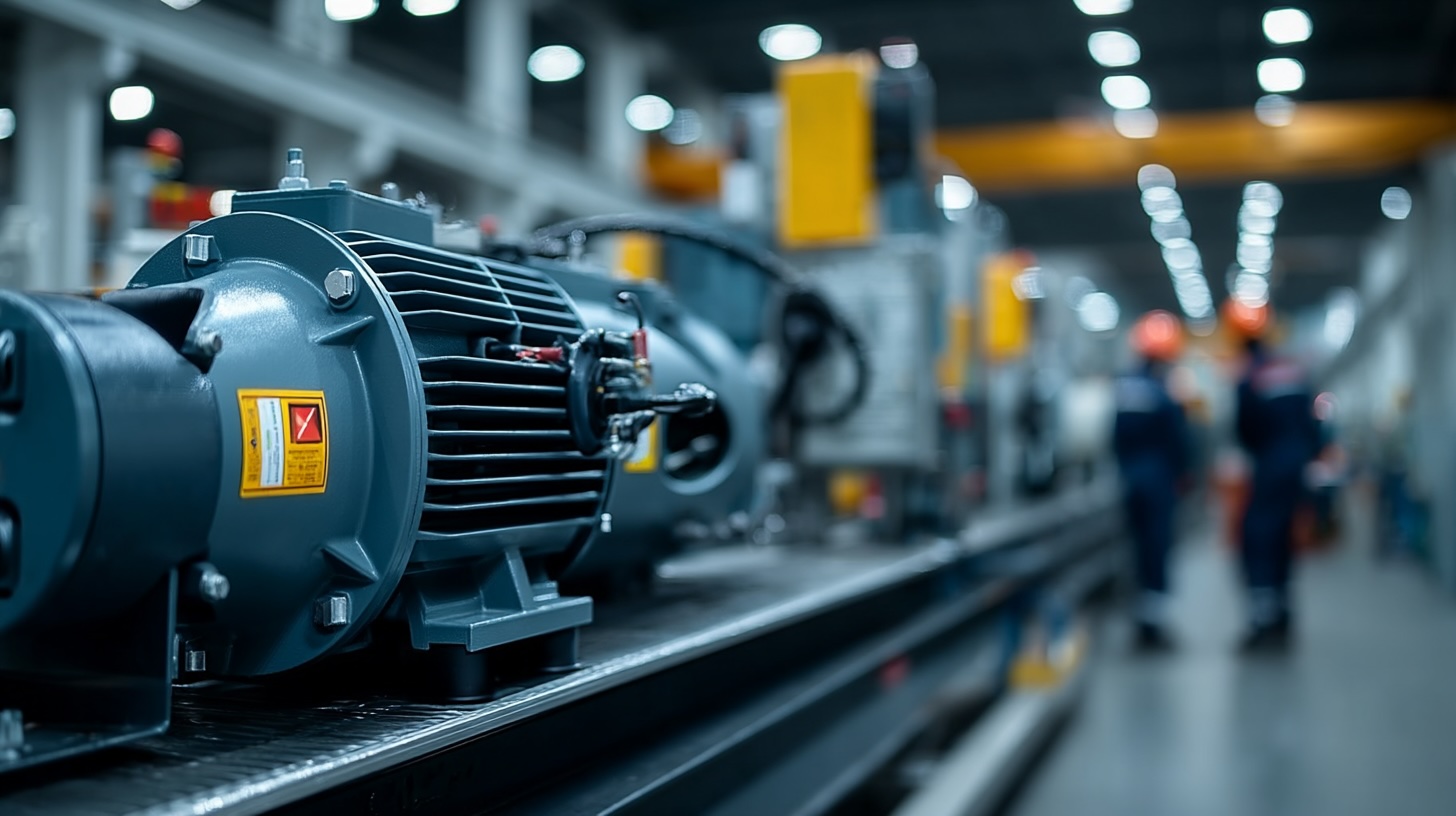
A utility provider operated a waste gas twin-screw compressor with a complex startup procedure requiring two or more operators. Because the process relied heavily on manual execution, startups were inconsistent and often required multiple attempts. These repeated attempts placed unnecessary mechanical stress on the compressor, and in some cases had already led to rotor damage.
Startup delays didn't just affect one asset, they impacted the entire site utility system, increasing operational risk during critical recovery scenarios.
- Complex manual startup requiring multiple operators
- Frequent failed startup attempts due to human variability
- Mechanical stress leading to past rotor damage
- Startup delays affecting overall site utilities
The Approach
The team transformed startup performance from operator-dependent execution into a data-defined best practice.
- Historical startup mining: Value-based searches were used to quickly identify and layer all past startup events
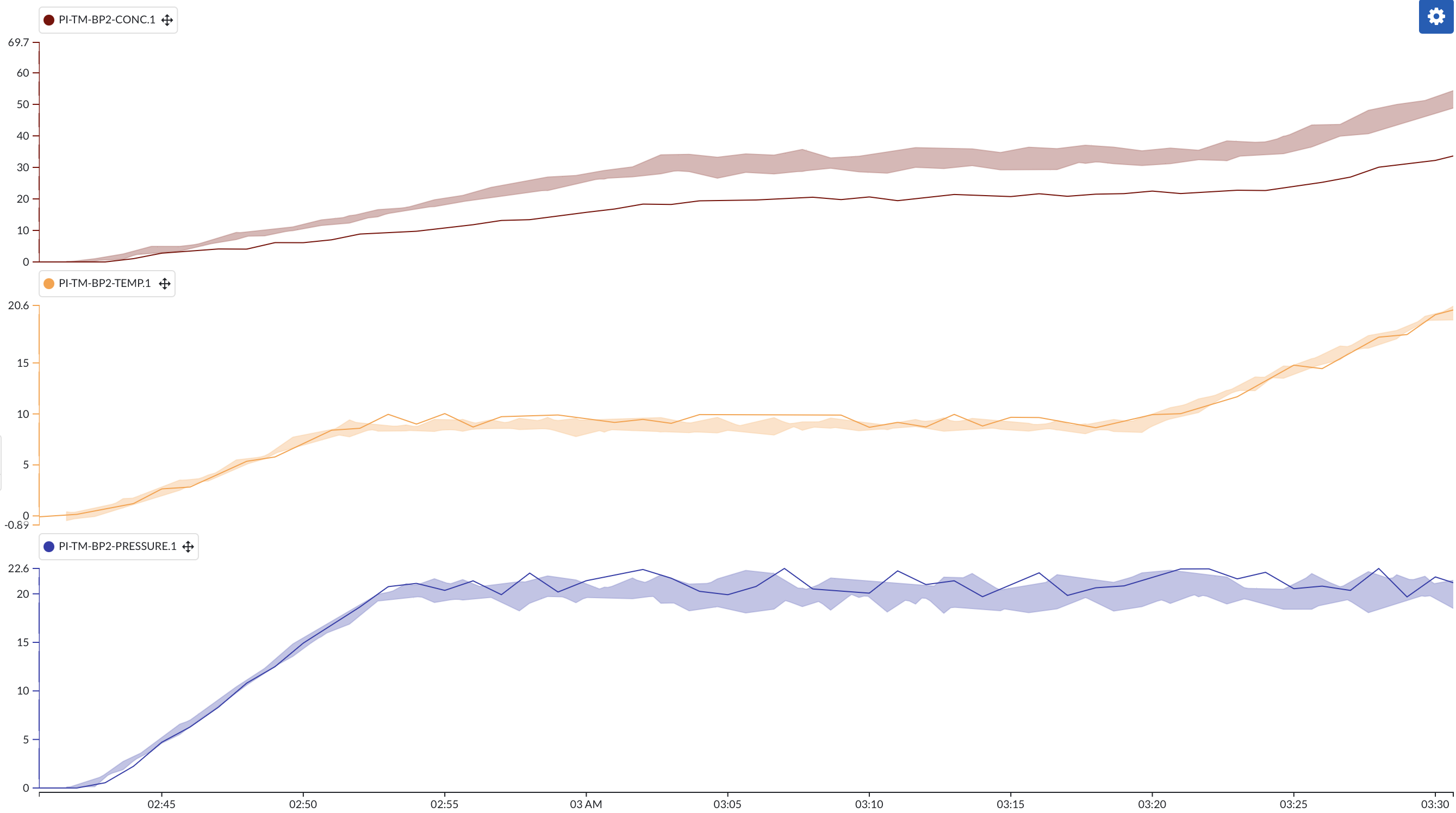
- Pattern clustering: Visual clustering analysis grouped time-series profiles to detect consistent startup ramps
- Best practice discovery: Subject-matter experts identified a cluster representing highly stable and predictable startups
- Human factor insight: Analysis showed these optimal startups were consistently executed by a specific senior operator
- Golden fingerprint creation: The best-performing startup patterns were converted into a reference profile
- Automation enablement: The fingerprint was used to guide and standardize future startups, reducing variability and failed attempts
Key Insight
Startup success was not random, it followed a repeatable pattern. Once captured as a fingerprint, that expertise could be replicated across operators.
Results
The Takeaway
By converting expert operator intuition into a measurable startup fingerprint, the team standardized compressor startups, improved reliability, and reduced cascading outages across the site, delivering multi-million-level contribution-margin gains through consistent and dependable compressor operation.
The Challenge
A utility provider operated a waste gas twin-screw compressor with a complex startup procedure requiring two or more operators. Because the process relied heavily on manual execution, startups were inconsistent and often required multiple attempts. These repeated attempts placed unnecessary mechanical stress on the compressor, and in some cases had already led to rotor damage.
Startup delays didn't just affect one asset, they impacted the entire site utility system, increasing operational risk during critical recovery scenarios.
- Complex manual startup requiring multiple operators
- Frequent failed startup attempts due to human variability
- Mechanical stress leading to past rotor damage
- Startup delays affecting overall site utilities
The Approach
The team transformed startup performance from operator-dependent execution into a data-defined best practice.
- Historical startup mining: Value-based searches were used to quickly identify and layer all past startup events
- Pattern clustering: Visual clustering analysis grouped time-series profiles to detect consistent startup ramps
- Best practice discovery: Subject-matter experts identified a cluster representing highly stable and predictable startups
- Human factor insight: Analysis showed these optimal startups were consistently executed by a specific senior operator
- Golden fingerprint creation: The best-performing startup patterns were converted into a reference profile
- Automation enablement: The fingerprint was used to guide and standardize future startups, reducing variability and failed attempts
Key Insight
Startup success was not random, it followed a repeatable pattern. Once captured as a fingerprint, that expertise could be replicated across operators.
Results
The Takeaway
By converting expert operator intuition into a measurable startup fingerprint, the team standardized compressor startups, improved reliability, and reduced cascading outages across the site, delivering multi-million-level contribution-margin gains through consistent and dependable compressor operation.
Access now
Share with a co-worker
The Challenge
A utility provider operated a waste gas twin-screw compressor with a complex startup procedure requiring two or more operators. Because the process relied heavily on manual execution, startups were inconsistent and often required multiple attempts. These repeated attempts placed unnecessary mechanical stress on the compressor, and in some cases had already led to rotor damage.
Startup delays didn't just affect one asset, they impacted the entire site utility system, increasing operational risk during critical recovery scenarios.
- Complex manual startup requiring multiple operators
- Frequent failed startup attempts due to human variability
- Mechanical stress leading to past rotor damage
- Startup delays affecting overall site utilities
The Approach
The team transformed startup performance from operator-dependent execution into a data-defined best practice.
- Historical startup mining: Value-based searches were used to quickly identify and layer all past startup events
- Pattern clustering: Visual clustering analysis grouped time-series profiles to detect consistent startup ramps
- Best practice discovery: Subject-matter experts identified a cluster representing highly stable and predictable startups
- Human factor insight: Analysis showed these optimal startups were consistently executed by a specific senior operator
- Golden fingerprint creation: The best-performing startup patterns were converted into a reference profile
- Automation enablement: The fingerprint was used to guide and standardize future startups, reducing variability and failed attempts
Key Insight
Startup success was not random, it followed a repeatable pattern. Once captured as a fingerprint, that expertise could be replicated across operators.
Results
The Takeaway
By converting expert operator intuition into a measurable startup fingerprint, the team standardized compressor startups, improved reliability, and reduced cascading outages across the site, delivering multi-million-level contribution-margin gains through consistent and dependable compressor operation.
Access now
Subscribe to our newsletter
Stay up to date with our latest news and updates.
Webinars on Demand
Press Play on Operational Improvement
.jpeg)
.jpeg)
.jpeg)
Other Resources
Explore Our Newest Content to Maximize Your Operational Efficiency