Share with a co-worker
All Resources
Use case


The Challenge
Fluidised bed burners used for sewage sludge and waste incineration gradually lose efficiency as ash and material accumulation clog the air distribution plates. Over time:
- Valves open progressively to maintain airflow
- Compressors reach maximum load
- Differential pressure peaks
- Airflow declines despite full valve opening
Normal airflow is around 20,000 m³/h, but when it drops below 10,000 m³/h the burner must be shut down for cleaning. Because a full burner cycle lasts 7 to 9 months and startup plus maintenance takes several days, poor planning can result in multiple burners being offline simultaneously, forcing expensive natural gas compensation.
The plant needed a way to predict remaining runtime and schedule cleaning proactively.
The Approach
A predictive runtime indicator was built using historical trend extrapolation:
- Airflow trend over the last 7 days was compared with current airflow
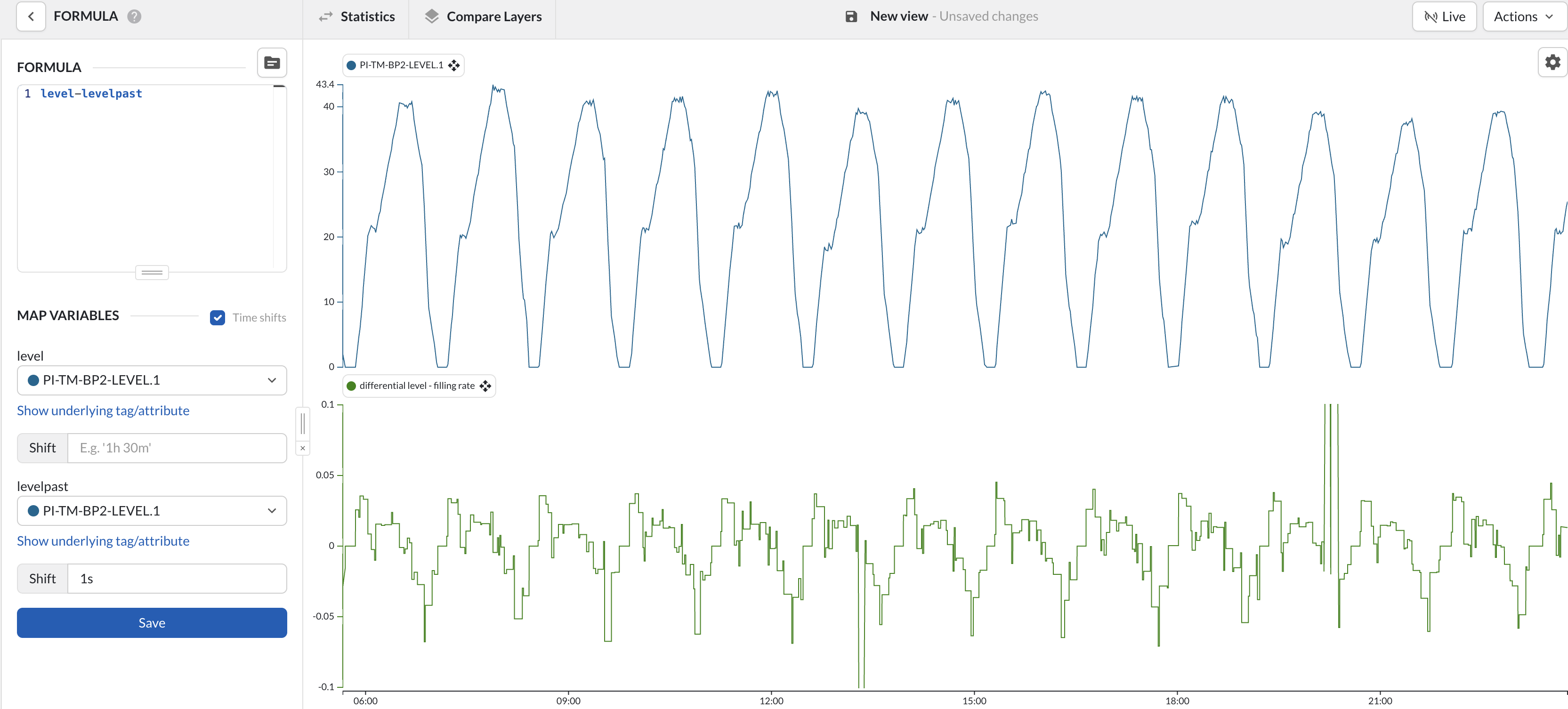
- A custom formula calculated the rate of decline
- Using this rate, the system estimated the time remaining until airflow reaches the critical threshold of 10,000 m³/h
- A monitor was configured to trigger alerts when predicted remaining runtime fell below four weeks
This effectively transformed raw airflow measurements into a forward-looking maintenance indicator.
The Results
The Takeaway
By predicting when each burner will reach its cleaning threshold, engineers can coordinate maintenance schedules across all units, prevent simultaneous outages, avoid emergency shutdowns, and reduce reliance on backup fuel sources. The result is a shift from reactive cleaning to predictive maintenance, improving operational continuity, energy efficiency, and maintenance resource planning.
The Challenge
Fluidised bed burners used for sewage sludge and waste incineration gradually lose efficiency as ash and material accumulation clog the air distribution plates. Over time:
- Valves open progressively to maintain airflow
- Compressors reach maximum load
- Differential pressure peaks
- Airflow declines despite full valve opening
Normal airflow is around 20,000 m³/h, but when it drops below 10,000 m³/h the burner must be shut down for cleaning. Because a full burner cycle lasts 7 to 9 months and startup plus maintenance takes several days, poor planning can result in multiple burners being offline simultaneously, forcing expensive natural gas compensation.
The plant needed a way to predict remaining runtime and schedule cleaning proactively.
The Approach
A predictive runtime indicator was built using historical trend extrapolation:
- Airflow trend over the last 7 days was compared with current airflow
- A custom formula calculated the rate of decline
- Using this rate, the system estimated the time remaining until airflow reaches the critical threshold of 10,000 m³/h
- A monitor was configured to trigger alerts when predicted remaining runtime fell below four weeks
This effectively transformed raw airflow measurements into a forward-looking maintenance indicator.
The Results
The Takeaway
By predicting when each burner will reach its cleaning threshold, engineers can coordinate maintenance schedules across all units, prevent simultaneous outages, avoid emergency shutdowns, and reduce reliance on backup fuel sources. The result is a shift from reactive cleaning to predictive maintenance, improving operational continuity, energy efficiency, and maintenance resource planning.
Access now
Share with a co-worker
The Challenge
Fluidised bed burners used for sewage sludge and waste incineration gradually lose efficiency as ash and material accumulation clog the air distribution plates. Over time:
- Valves open progressively to maintain airflow
- Compressors reach maximum load
- Differential pressure peaks
- Airflow declines despite full valve opening
Normal airflow is around 20,000 m³/h, but when it drops below 10,000 m³/h the burner must be shut down for cleaning. Because a full burner cycle lasts 7 to 9 months and startup plus maintenance takes several days, poor planning can result in multiple burners being offline simultaneously, forcing expensive natural gas compensation.
The plant needed a way to predict remaining runtime and schedule cleaning proactively.
The Approach
A predictive runtime indicator was built using historical trend extrapolation:
- Airflow trend over the last 7 days was compared with current airflow
- A custom formula calculated the rate of decline
- Using this rate, the system estimated the time remaining until airflow reaches the critical threshold of 10,000 m³/h
- A monitor was configured to trigger alerts when predicted remaining runtime fell below four weeks
This effectively transformed raw airflow measurements into a forward-looking maintenance indicator.
The Results
The Takeaway
By predicting when each burner will reach its cleaning threshold, engineers can coordinate maintenance schedules across all units, prevent simultaneous outages, avoid emergency shutdowns, and reduce reliance on backup fuel sources. The result is a shift from reactive cleaning to predictive maintenance, improving operational continuity, energy efficiency, and maintenance resource planning.
Access now
Subscribe to our newsletter
Stay up to date with our latest news and updates.
Webinars on Demand
Press Play on Operational Improvement
.jpg)
.jpg)
.jpg)
Other Resources
Explore Our Newest Content to Maximize Your Operational Efficiency