Share with a co-worker
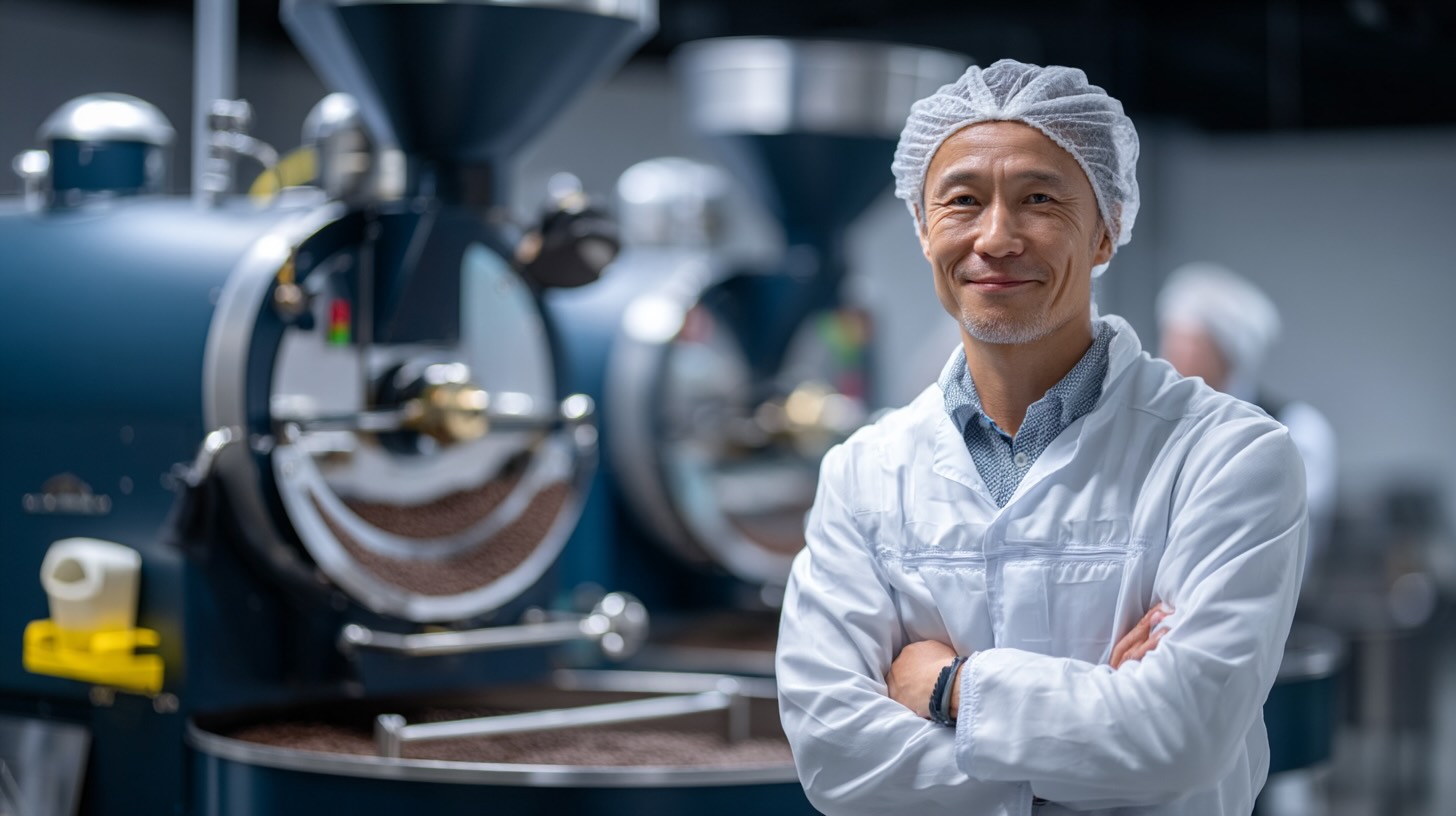

For decades, the perfect coffee roast was considered a product of intuition—a "nose" for the first crack and a keen eye for color. While that craftsmanship is the soul of the industry, relying solely on a roaster's gut feeling is becoming a luxury few industrial plants can afford. As global energy costs fluctuate and quality standards become increasingly non-negotiable, even a 12∘C deviation can be the difference between a signature flavor and a wasted batch.
TrendMiner introduces a shift toward "repeatable excellence" by turning siloed sensor data into a visual roadmap. By capturing a "Golden Roast Fingerprint," process engineers can now benchmark every new cycle against their best-performing historical roasts in real time. It is no longer about guessing when a roast is done; it is about having the Industrial AI-driven visibility to see exactly where a batch is drifting before it impacts the final cup.
This guide explores how data-driven roasting balances the delicate trifecta of flavor, energy consumption, and operational efficiency. Whether it's reducing gas usage by over 10% or slashing the time it takes to detect process drifts from hours to minutes, the goal is clear: making great coffee a scientific certainty rather than a happy accident.
For decades, the perfect coffee roast was considered a product of intuition—a "nose" for the first crack and a keen eye for color. While that craftsmanship is the soul of the industry, relying solely on a roaster's gut feeling is becoming a luxury few industrial plants can afford. As global energy costs fluctuate and quality standards become increasingly non-negotiable, even a 12∘C deviation can be the difference between a signature flavor and a wasted batch.
TrendMiner introduces a shift toward "repeatable excellence" by turning siloed sensor data into a visual roadmap. By capturing a "Golden Roast Fingerprint," process engineers can now benchmark every new cycle against their best-performing historical roasts in real time. It is no longer about guessing when a roast is done; it is about having the Industrial AI-driven visibility to see exactly where a batch is drifting before it impacts the final cup.
This guide explores how data-driven roasting balances the delicate trifecta of flavor, energy consumption, and operational efficiency. Whether it's reducing gas usage by over 10% or slashing the time it takes to detect process drifts from hours to minutes, the goal is clear: making great coffee a scientific certainty rather than a happy accident.
Access now
Share with a co-worker
For decades, the perfect coffee roast was considered a product of intuition—a "nose" for the first crack and a keen eye for color. While that craftsmanship is the soul of the industry, relying solely on a roaster's gut feeling is becoming a luxury few industrial plants can afford. As global energy costs fluctuate and quality standards become increasingly non-negotiable, even a 12∘C deviation can be the difference between a signature flavor and a wasted batch.
TrendMiner introduces a shift toward "repeatable excellence" by turning siloed sensor data into a visual roadmap. By capturing a "Golden Roast Fingerprint," process engineers can now benchmark every new cycle against their best-performing historical roasts in real time. It is no longer about guessing when a roast is done; it is about having the Industrial AI-driven visibility to see exactly where a batch is drifting before it impacts the final cup.
This guide explores how data-driven roasting balances the delicate trifecta of flavor, energy consumption, and operational efficiency. Whether it's reducing gas usage by over 10% or slashing the time it takes to detect process drifts from hours to minutes, the goal is clear: making great coffee a scientific certainty rather than a happy accident.
Access now
Subscribe to our newsletter
Stay up to date with our latest news and updates.
Webinars on Demand
Press Play on Operational Improvement
.jpg)
Other Resources
Explore Our Newest Content to Maximize Your Operational Efficiency