Four areas where upstream engineers use their process data to reduce energy consumption and unplanned downtime.
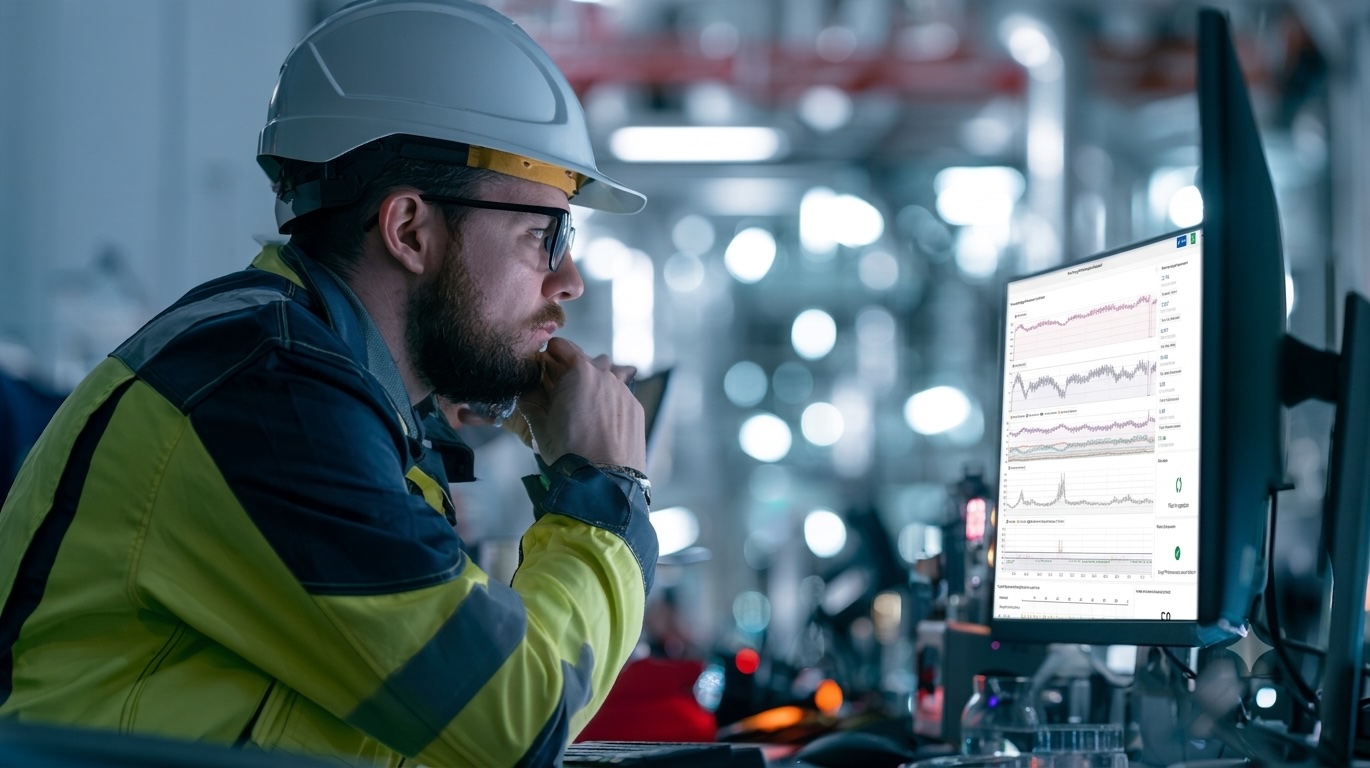
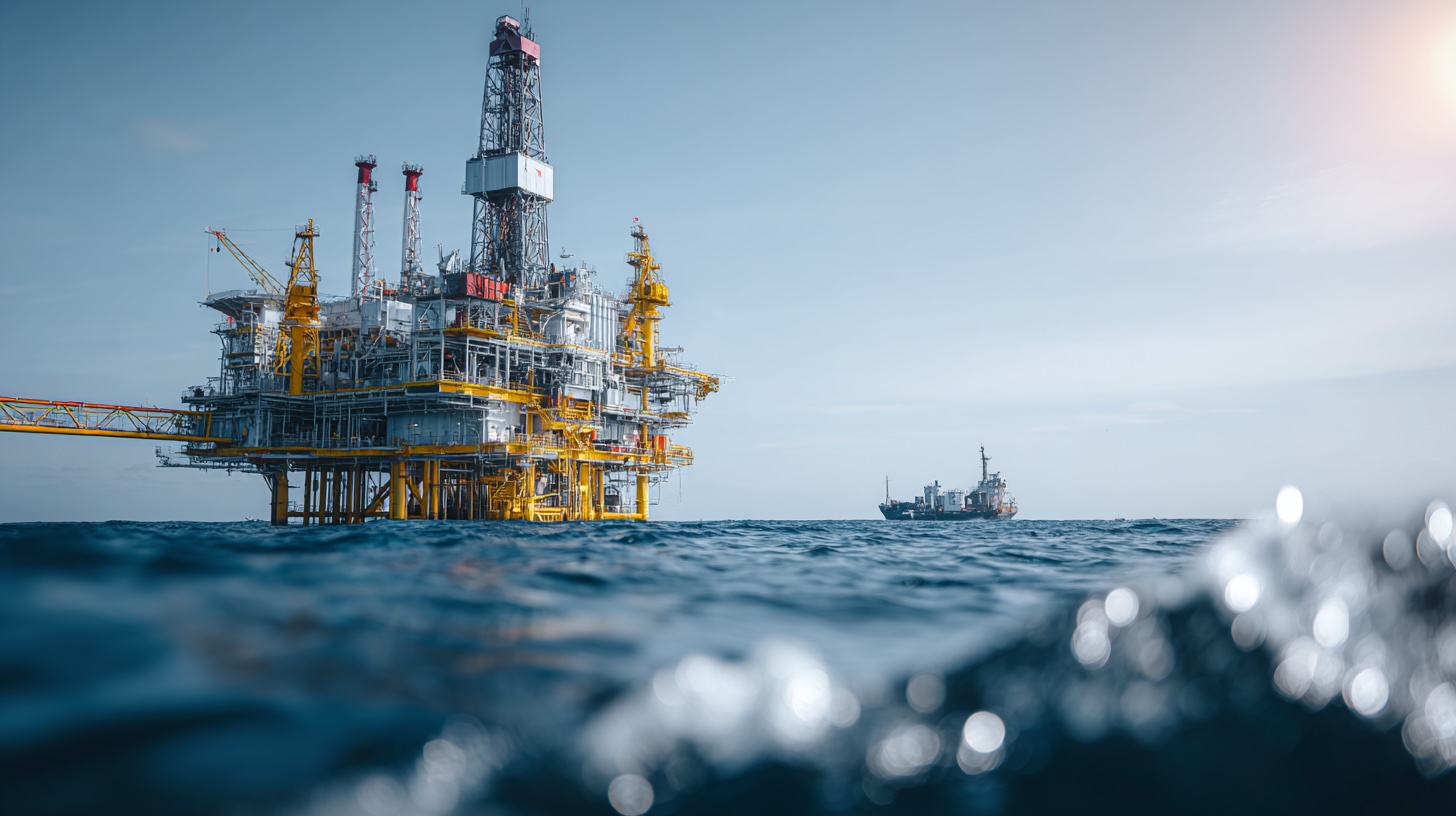
In upstream production, stable wells mean stable production. However, well behavior is often influenced by complex interactions between reservoir conditions, multiphase flow dynamics, and surface constraints. Instabilities such as slugging, salt precipitation, or pressure oscillations can silently degrade well performance long before a visible production decline occurs.
TrendMiner allows engineers to analyze multivariate production data to detect instability patterns and understand the operational conditions affecting well performance. By comparing historical well behavior and identifying recurring patterns, engineers can quickly diagnose performance degradation and intervene before production losses escalate.
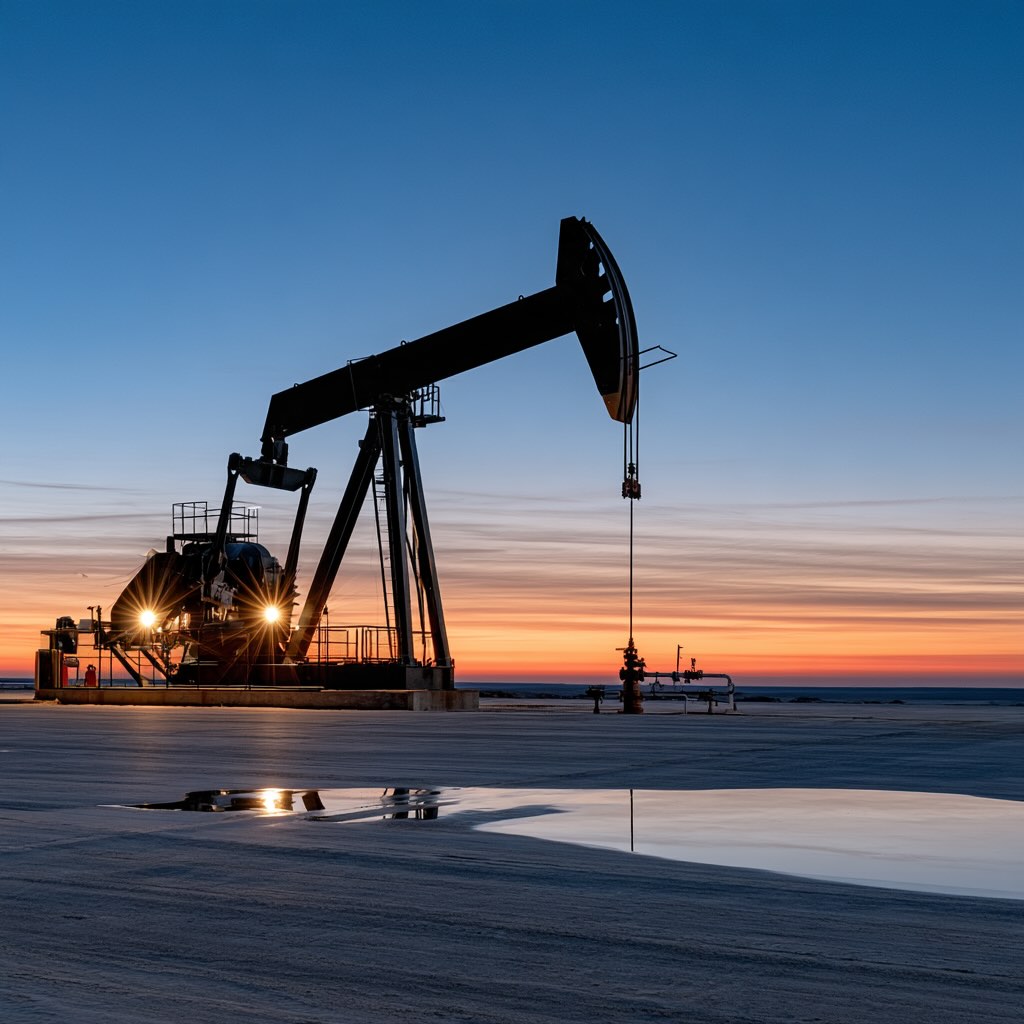
Production losses are not always caused by the reservoir. Surface facilities, compression systems, and transport infrastructure often introduce constraints that reduce throughput or create reliability risks. Small deviations in operating conditions can trigger compressor trips, transport disruptions, or integrity test deviations that impact production stability.
TrendMiner enables engineers to correlate surface equipment behavior with upstream production conditions using historical time-series analysis. By identifying early warning patterns and operational deviations, teams can troubleshoot surface reliability issues faster and prevent recurring production disruptions.
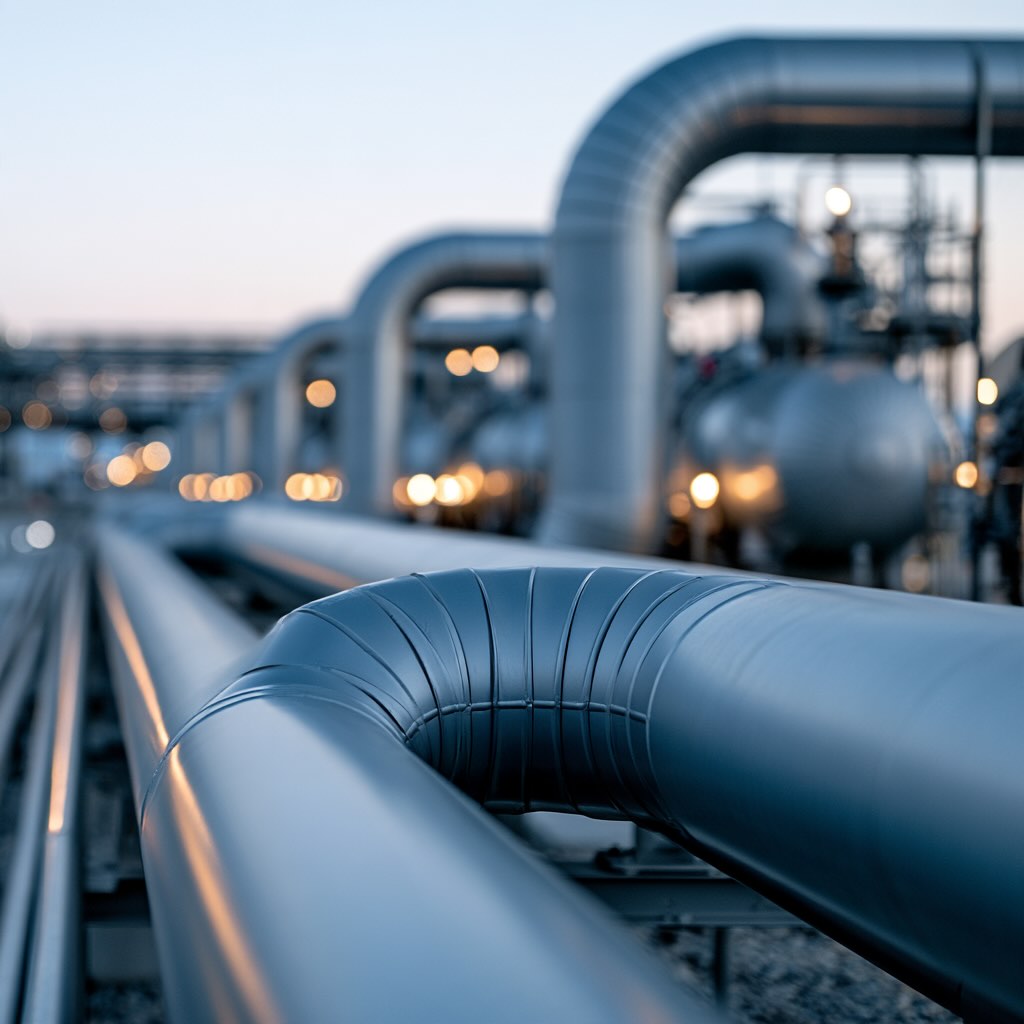
Transient phases such as startups, ramp-ups, or operational adjustments are often where production instability and operational variability occur. Differences in operator practices during these phases can significantly impact well stability, facility performance, and overall production efficiency.
TrendMiner allows engineers to capture successful operating patterns and compare them with ongoing operations using historical fingerprinting and pattern analysis. By standardizing best-practice operating conditions, teams can improve consistency, reduce operational variability, and avoid instability during transient phases.

free guide
Four analytical capabilities to solve production problems faster.


Access and explore data effortlessly with a user-friendly platform for the whole team.

Empower everyone to generate insights with powerful analytics to drive data driven decisions.

Share insights, collaborate across teams, and create personalized dashboards to track progress.

Keep your plant and assets running smoothly with 24/7 monitoring and instant alerts.

Transform time-series data into meaningful events in your enhanced data layer.


Discover powerful insights and make data-driven decisions.
Customer presentation