Four areas where downstream engineers use their process data to improve yield, reduce energy consumption, and avoid unplanned downtime.
In refinery units, throughput and yield are often limited by hidden process constraints rather than equipment capacity. Interactions between temperatures, pressures, catalyst activity, and column behavior can silently reduce recovery or limit unit capacity. Without a clear view of multivariate process interactions, engineers struggle to identify what truly limits performance.
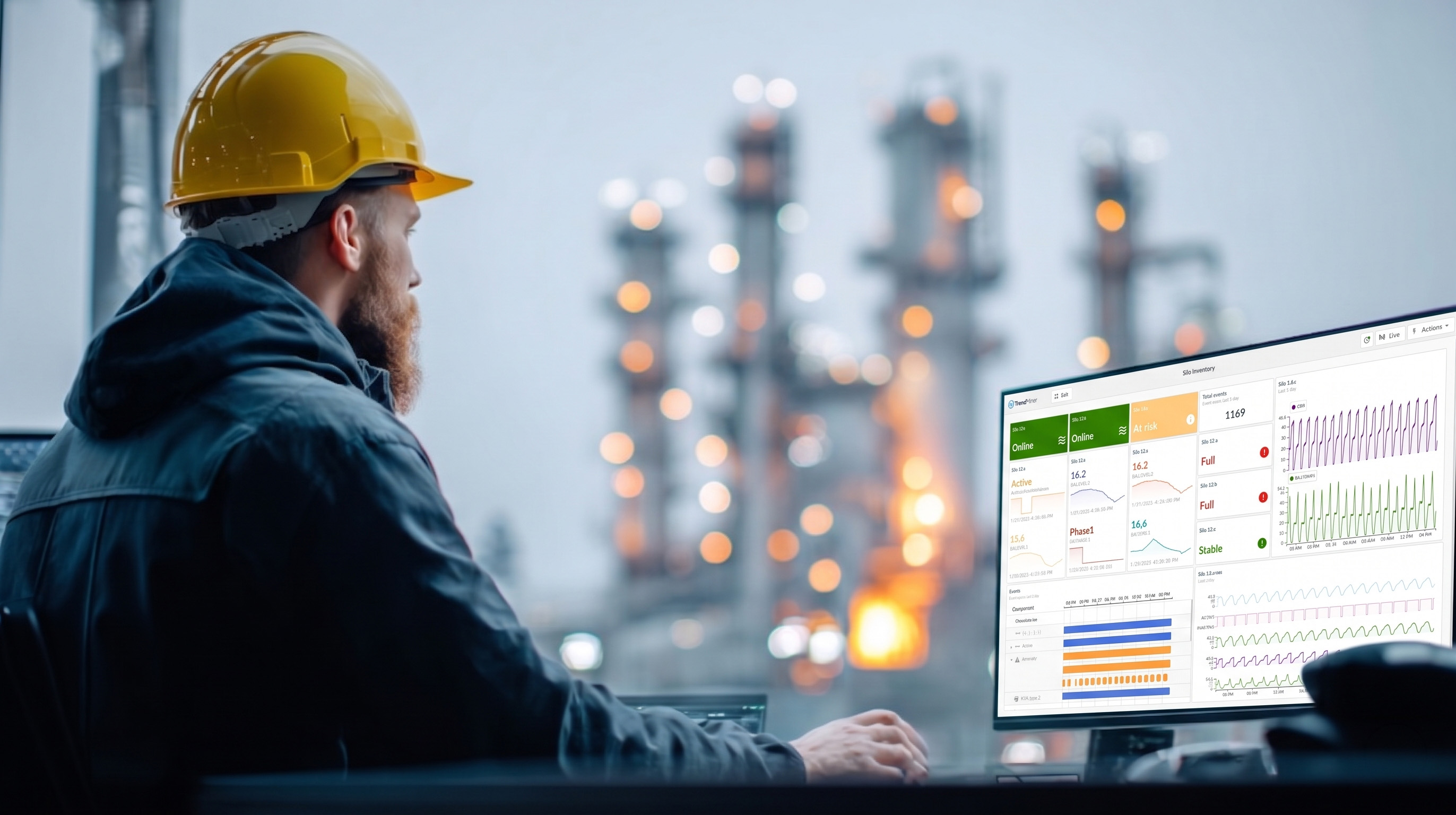
TrendMiner allows engineers to analyze years of multivariate process data in minutes. By correlating process variables, operational events, and unit behavior, teams can quickly identify hidden constraints and validate improvement opportunities. Engineers can compare historical runs, detect constraint patterns, and quantify the impact of process adjustments.
Process trips and transient instabilities can lead to production losses, safety risks, and expensive restart procedures. Many instability events are preceded by subtle changes in operating conditions that are difficult to detect using traditional monitoring tools.
TrendMiner enables engineers to identify patterns that precede process trips by analyzing historical time-series and contextual events. Using pattern search, similarity analysis, and fingerprinting, teams can detect instability signatures and intervene before trips occur.
Maintaining unit availability requires understanding how operating conditions impact equipment health and degradation. Process conditions often accelerate fouling, catalyst deactivation, or mechanical wear, reducing runtime and increasing maintenance interventions.
TrendMiner provides full visibility into asset behavior within the process context.Engineers can correlate operating conditions with equipment performance, detect early degradation patterns, and optimize maintenance timing.
free guide
5 data analyses most teams never run – but should.


Access and explore data effortlessly with a user-friendly platform for the whole team.

Empower everyone to generate insights with powerful analytics to drive data driven decisions.

Share insights, collaborate across teams, and create personalized dashboards to track progress.

Keep your plant and assets running smoothly with 24/7 monitoring and instant alerts.

Transform time-series data into meaningful events in your enhanced data layer.


Discover powerful insights and make data-driven decisions.
Use case